 Book a call
For Registered Massage Therapists
Add a dimension to the practice you’ve already built. Run Fascia Stretch Therapy™ as its own service, or blend it into the massage you already book.
Education that pays for itself
Most graduates charge $100 to $150
Sessions to cover tuition
20
Added per year
$34,560
At this pace your Early Bird tuition of $2300 + tax is back in about 4 weeks. Most graduates recover their investment within 3 to 6 months.
Already booked solid? Then the number that matters is not volume. It is replacing the sessions that cost your hands the most with ones that do not.
Answer five quick questions, then pick a time to talk with our enrollment advisor to get clarity about the growth of your practice. It takes about a minute.
Question 1 of 5
Fascia Stretch Therapy™ Level 1 uses your body weight and full-body leverage instead of your hands, thumbs and wrists. Run it as a standalone service, or blend it into the massage appointments you already book.
Five days, taught in Canada, by the institute that created Fascia Stretch Therapy.
What FST adds
01
The years ahead stop depending on how long your joints hold out. FST is work you can still be doing at sixty.
02
Full-body leverage carries the session instead of your thumbs. The overuse that ends most RMT careers comes off the table.
03
A tier of recovery work your clinic almost certainly does not offer yet, at $100 to $150 a session.
04
Standing, moving, clothed clients, no oil. It changes what a full day of treatment actually feels like.
05
Fascia is where the field went, and this is where the method came from. You learn it from the institute that created it.
06
The highest ROI training an RMT can take: most graduates earn the tuition back in three to six months.
Why RMTs specifically
Wrists, thumbs, shoulders, in that order. FST takes the load off your hands and gives clients a result they feel the same day.
You use body weight and leverage, not thumb and wrist pressure
You reach joint capsules and fascial lines that hands cannot get to
Range of motion changes inside one session, which is what gets people rebooking
Clients stay fully clothed, no oil, and sessions run 60, 75 or 90 minutes like your massage bookings
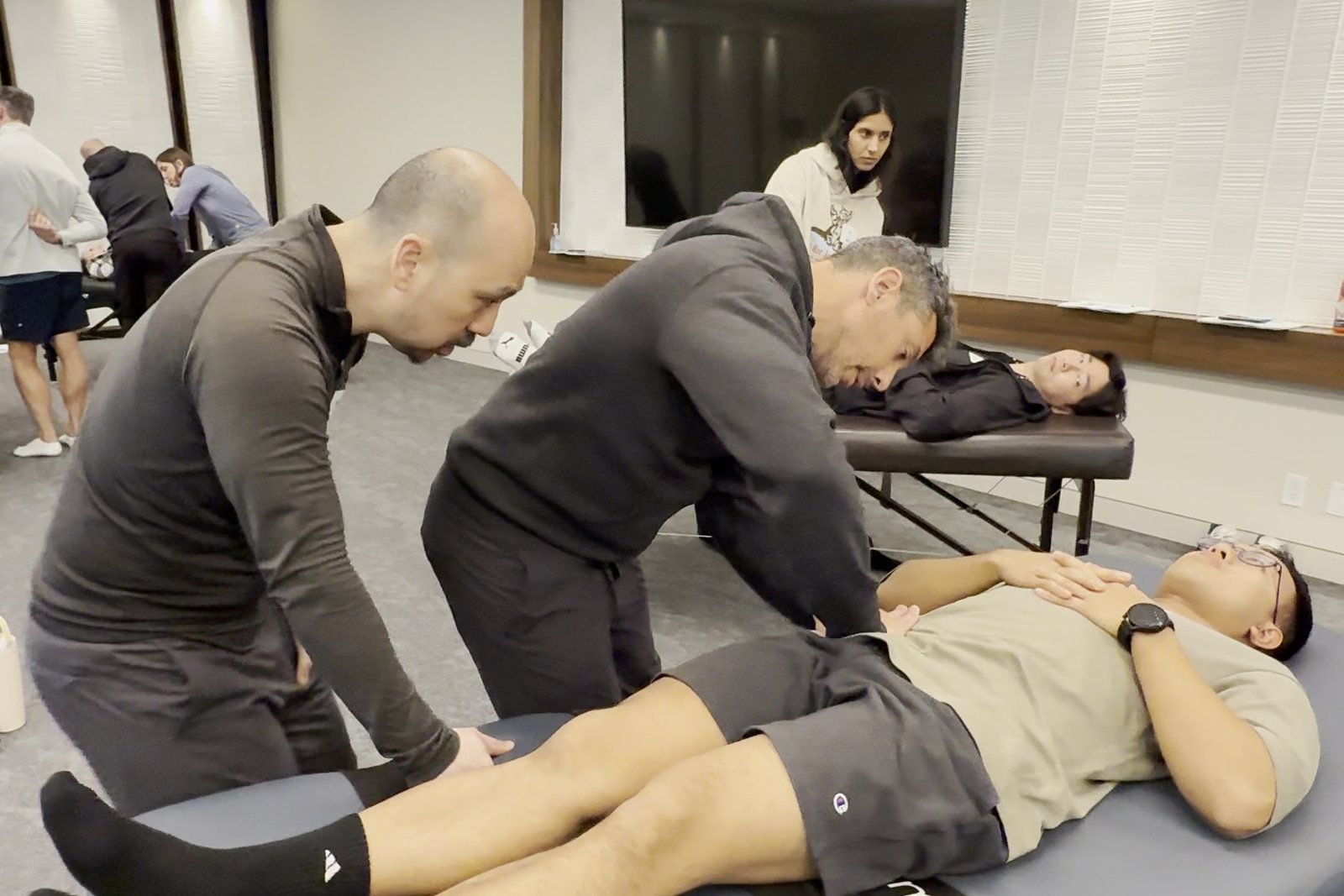
You stand tall and use your body weight and full-body leverage, so the load runs through your legs, hips and core.
Your hands guide instead of grinding, which takes the overuse off your thumbs, wrists and shoulders.
“After just 5 years as a massage therapist my hands and wrists became problematic, and I thought I would have to change careers again. Now that half of my schedule are FST sessions, I can see myself doing this for many more years.”
Why nobody taught you this
If you trained more than a decade ago, fascia was taught as an envelope. Something muscles attach to. The science moved a long way since then, which is why the tools you were handed all run through your hands.
Meanwhile your clients started asking what they can do between appointments, and you started showing them stretches. Most therapists have. The demand arrived without waiting for anyone to teach you the trained version of it.
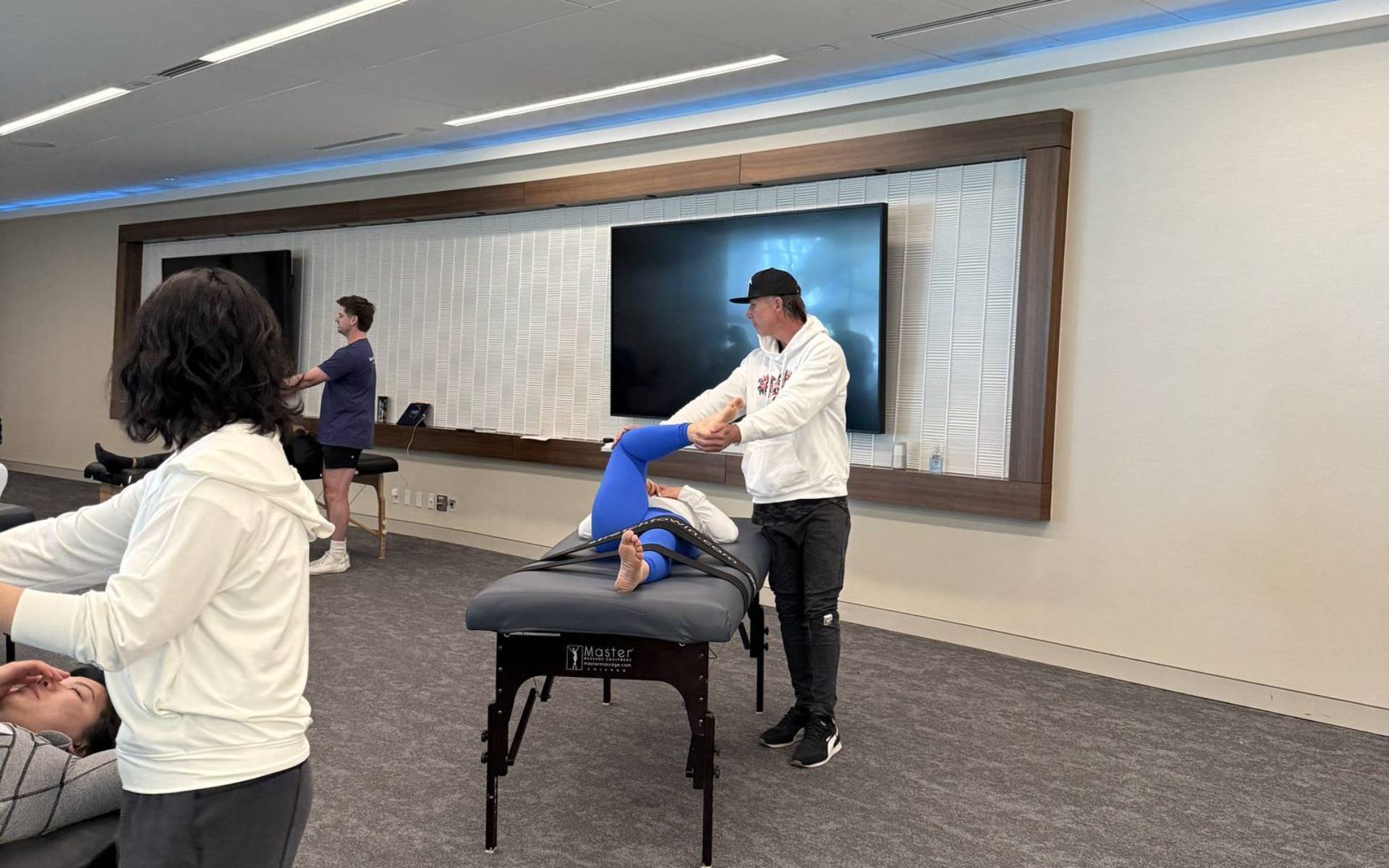
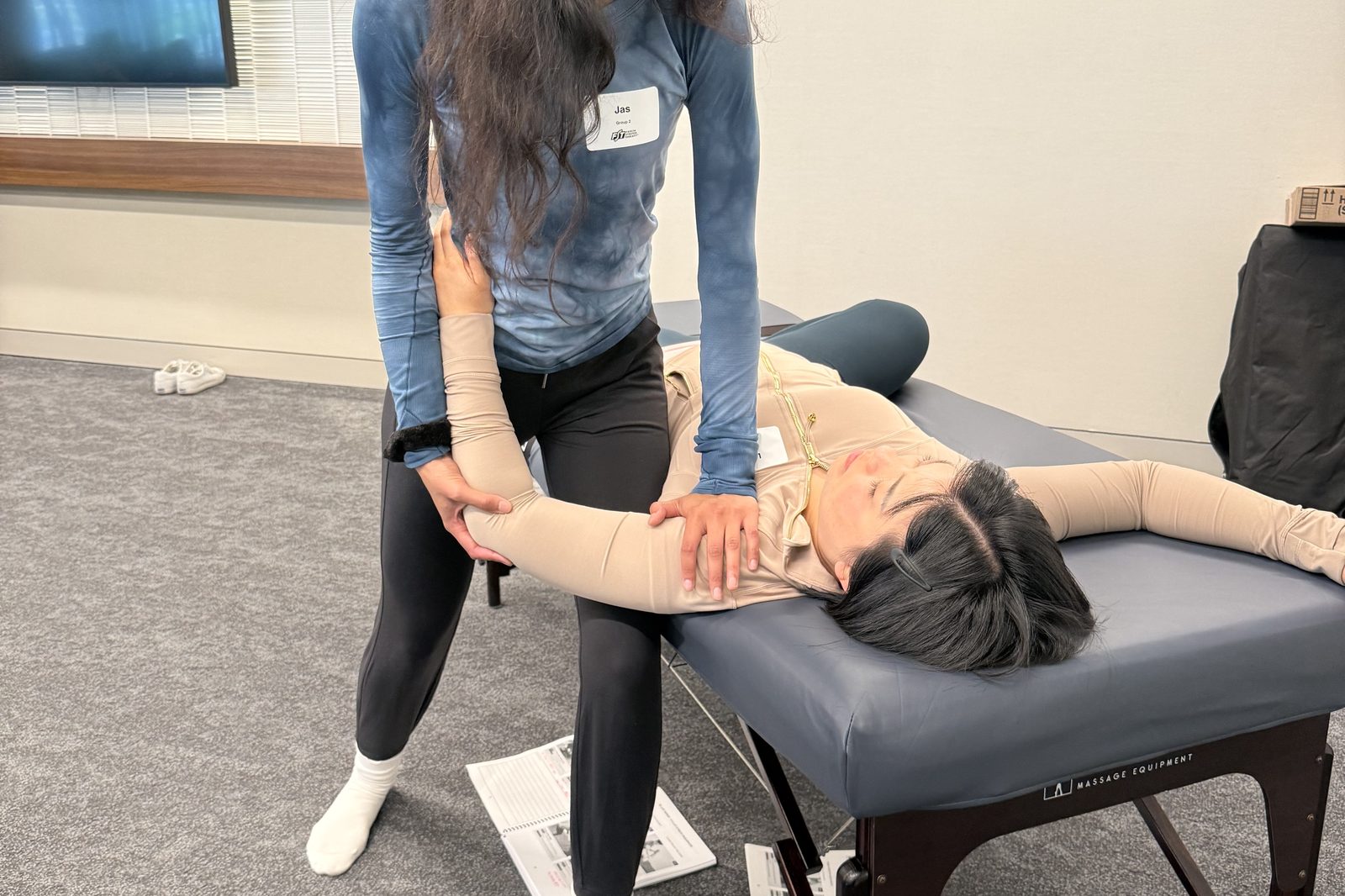
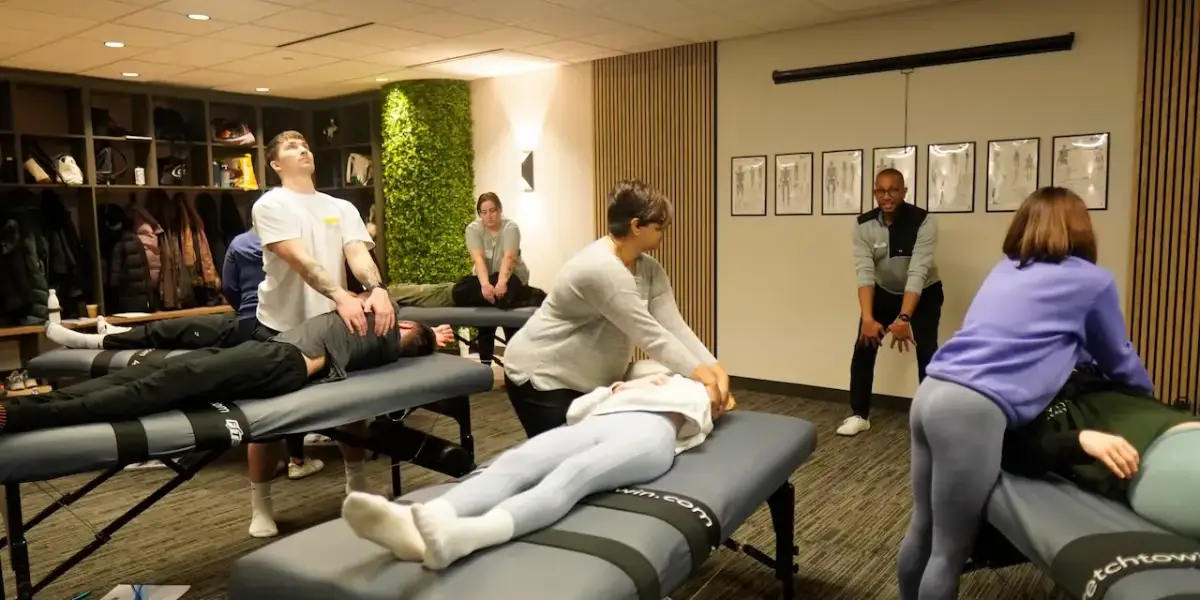
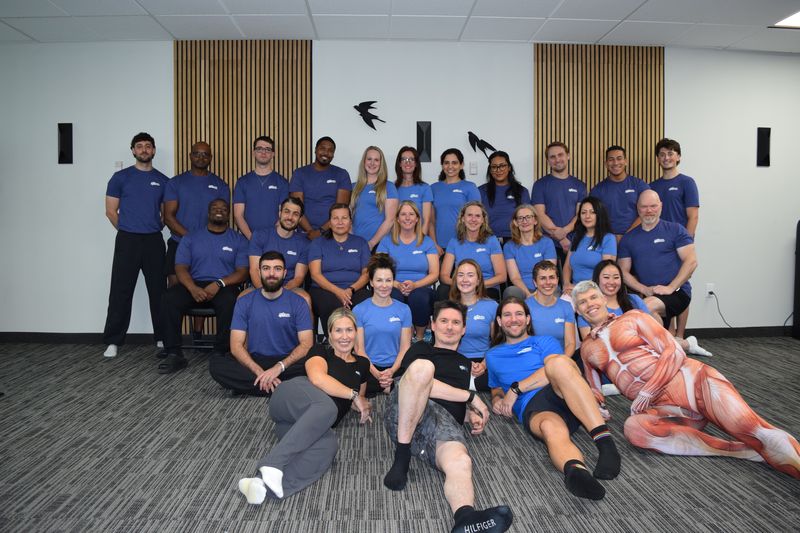
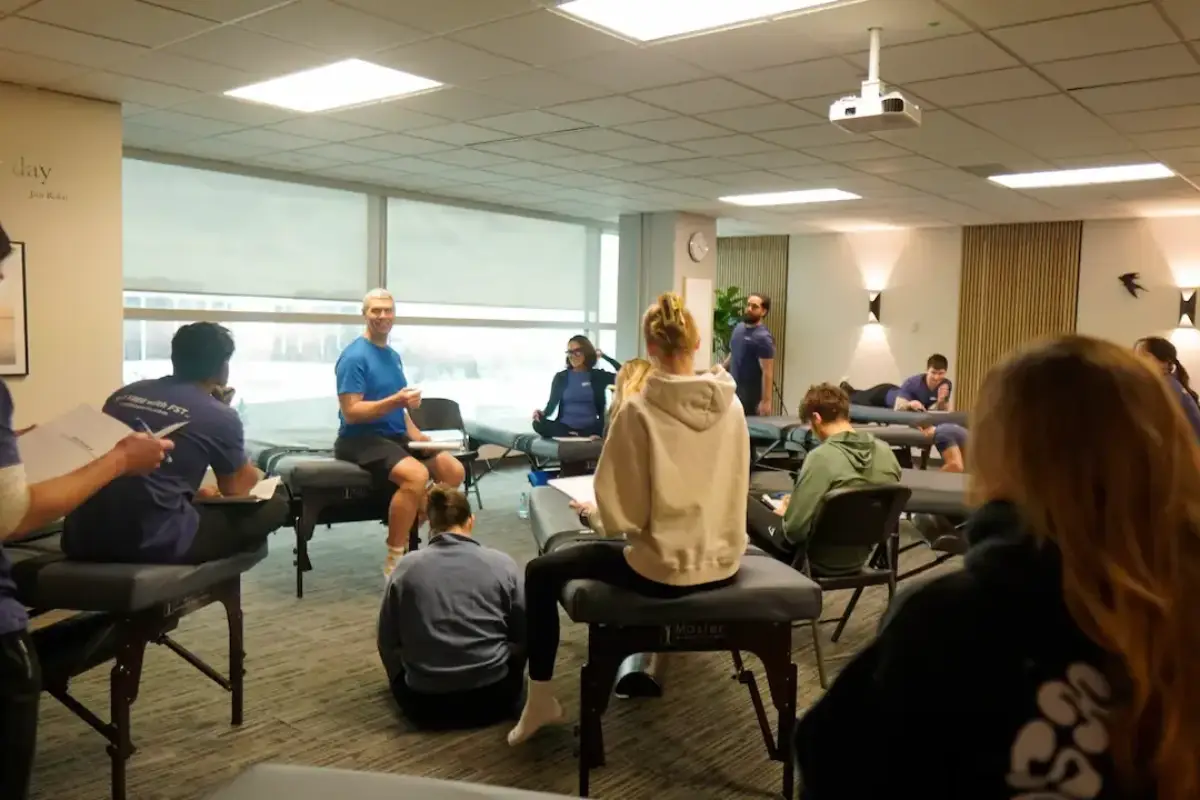
Up to 24 students, 4 instructors. They do not just watch your hands; they feel them, sequence after sequence, and you feel theirs.
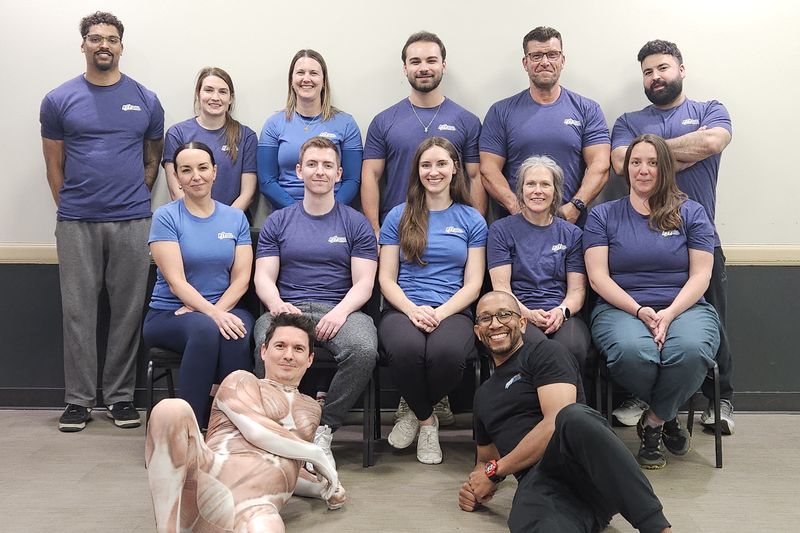
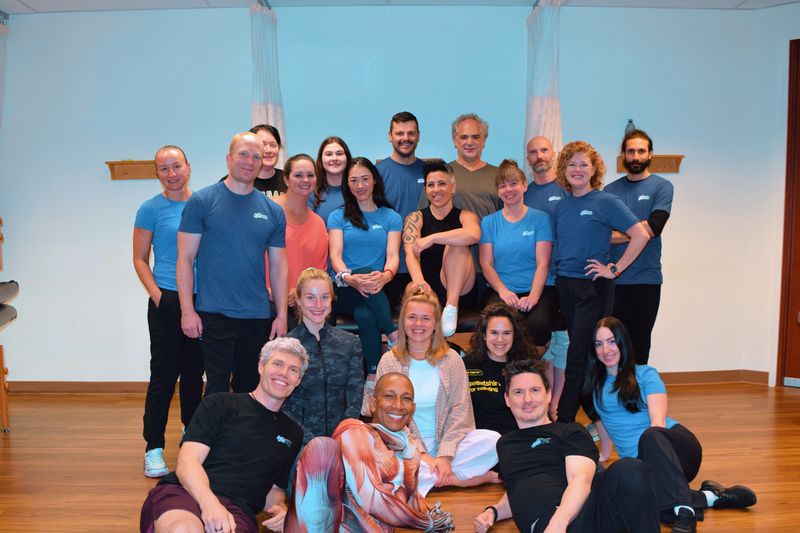
Recent Level 1 classes
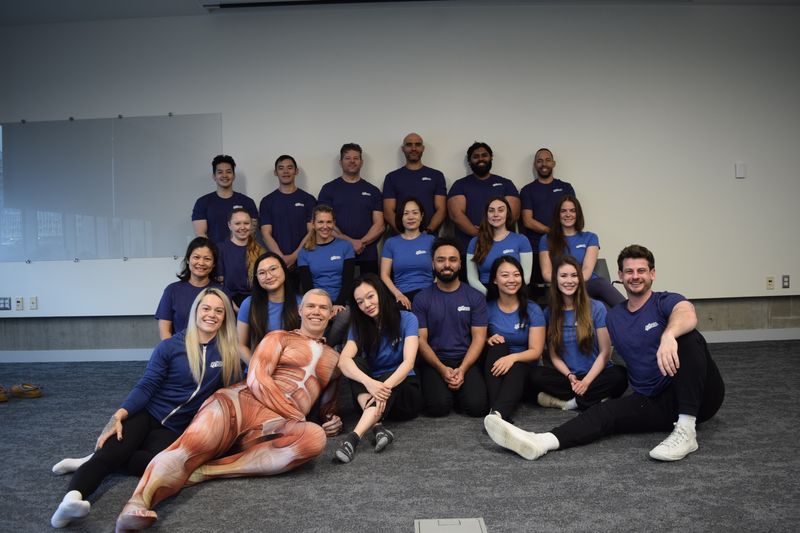
VancouverMarch 2026
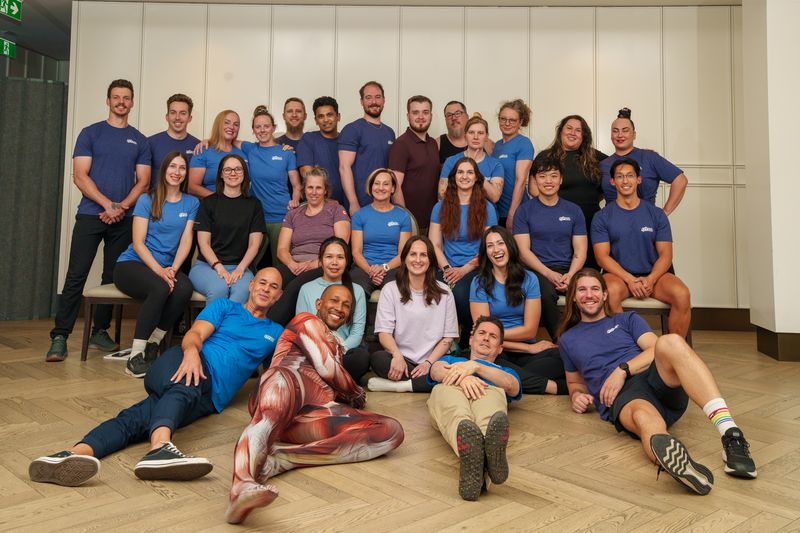
CalgaryJune 2025
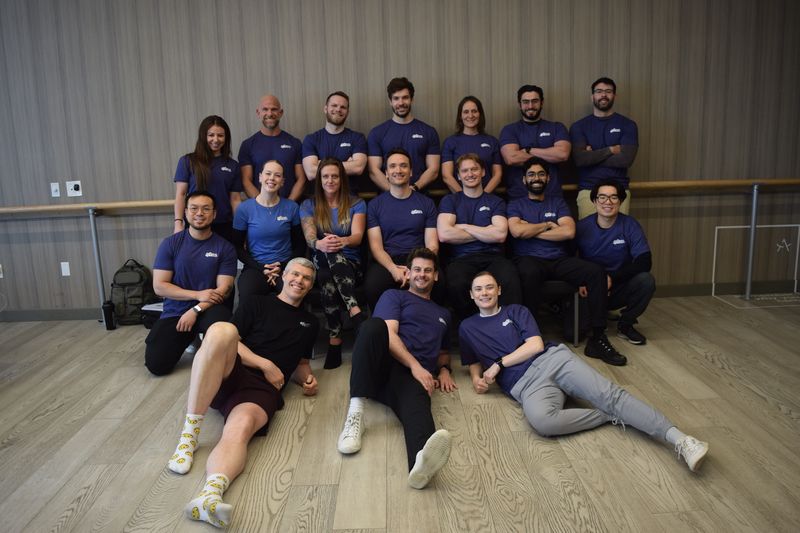
EdmontonApril 2026
OttawaMay 2026
BurlingtonJuly 2026
HalifaxJuly 2026
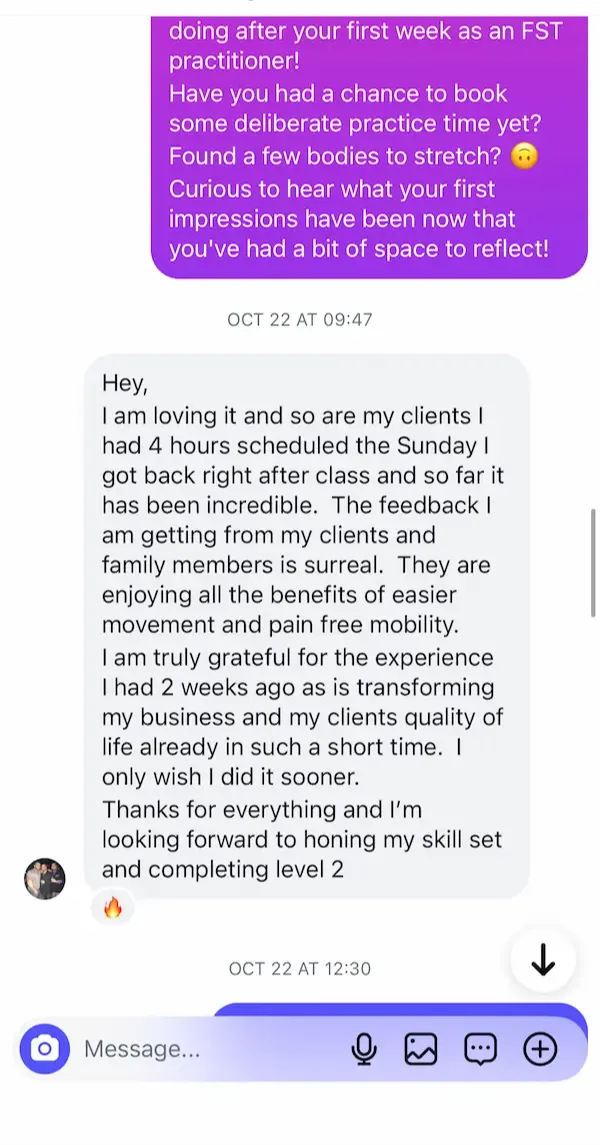
Practitioners from across Canada share how FST certification changed their practice.
“You practice on everyone in the class, not just two or three people.”
Jake
“I'm absolutely taking this into my business for my personal training clients.”
Personal trainer
“It taught me how to really connect to their bodies and feel them better.”
Eddie
“I got off the table and thought, I've got new legs.”
Carl
“One move, and I thought: this is exactly what I've been looking for.”
Trainer
“I learned so much in depth on how the fascia works.”
Student
What students send us after graduating
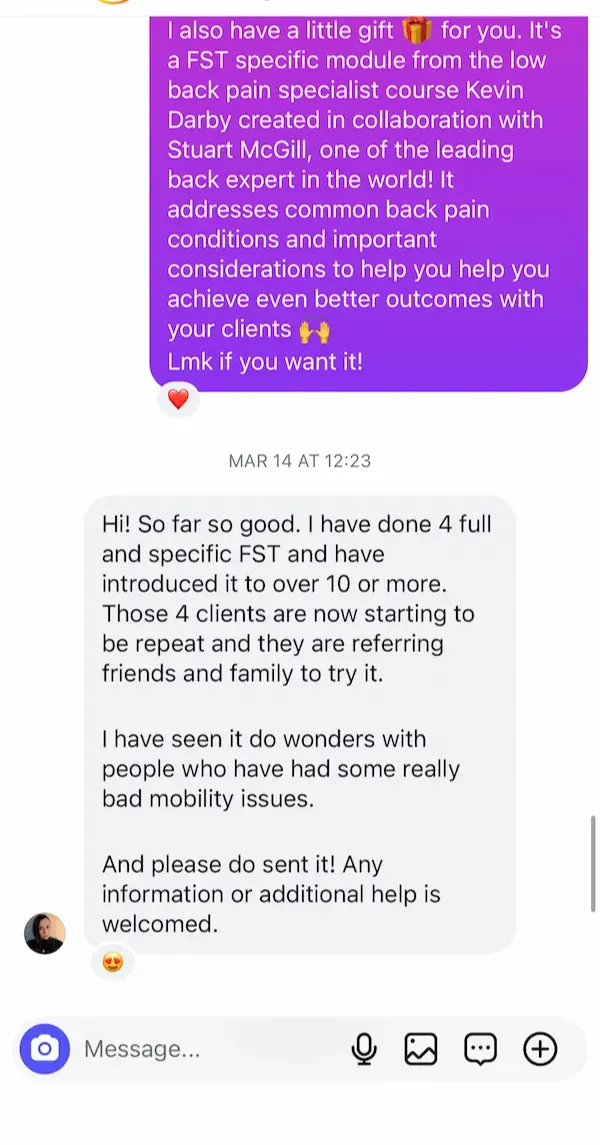
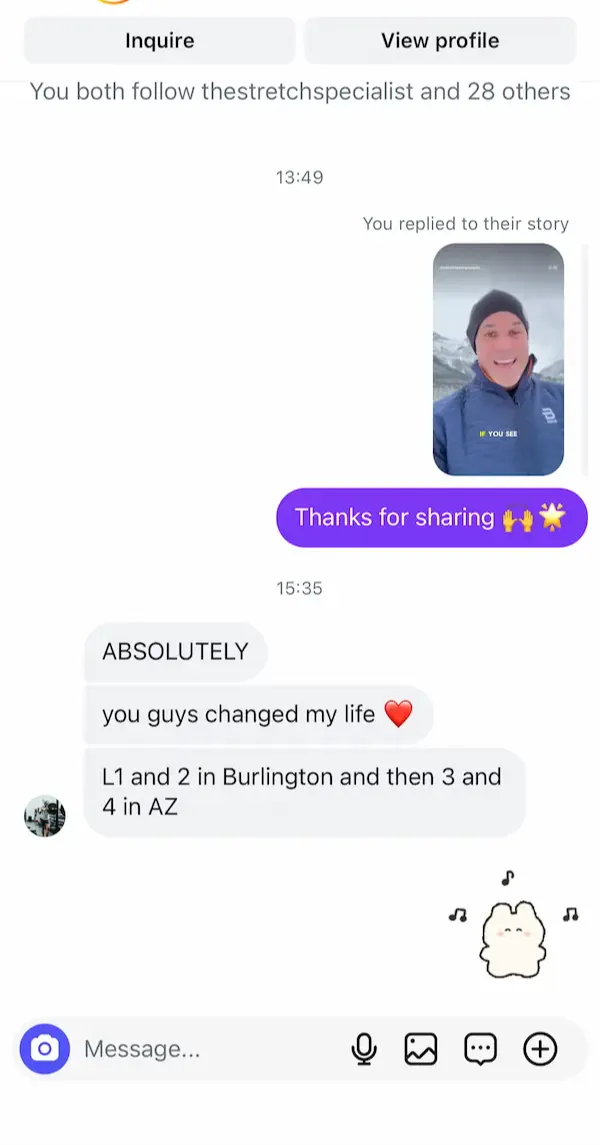
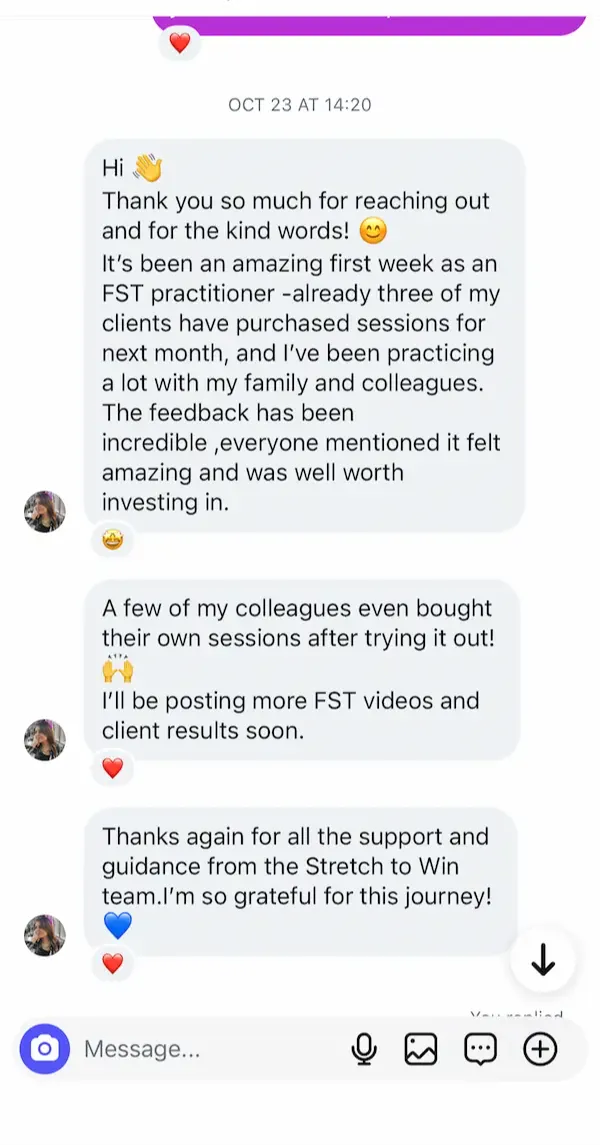
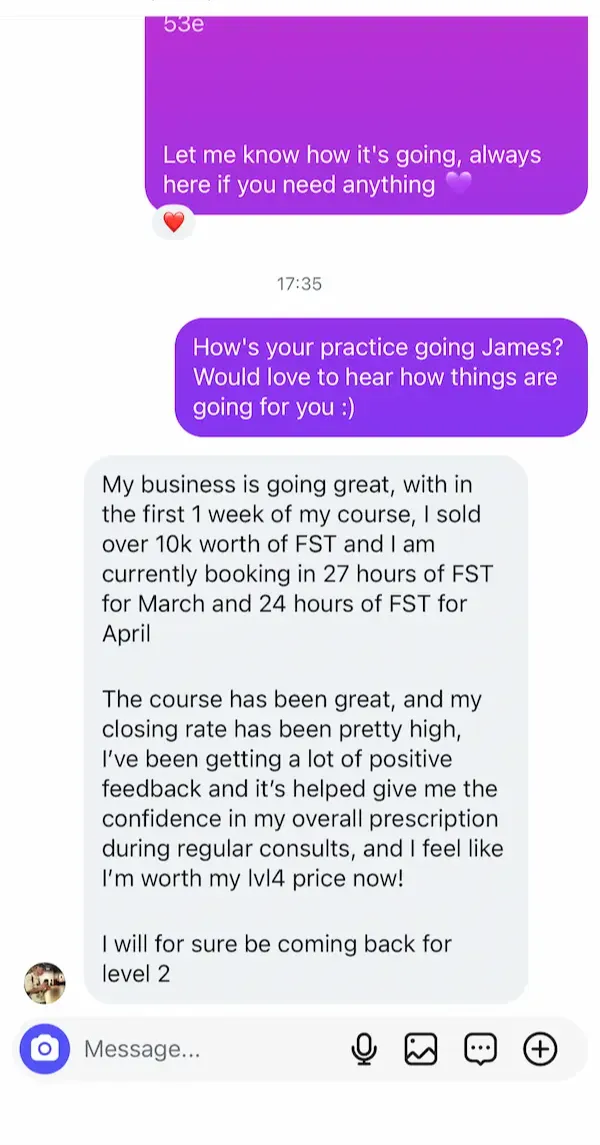
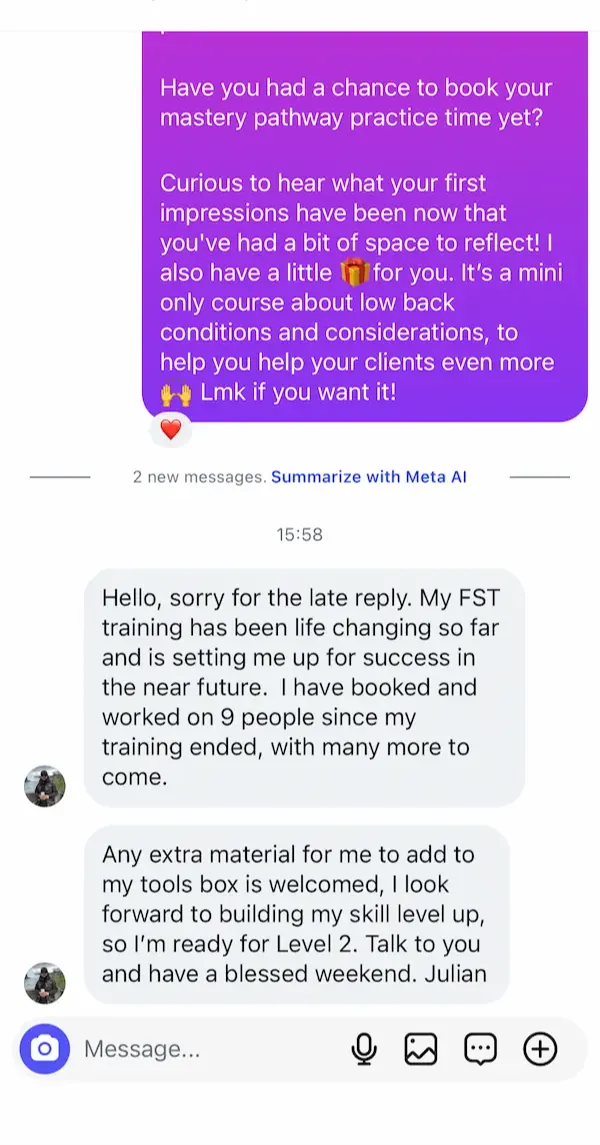
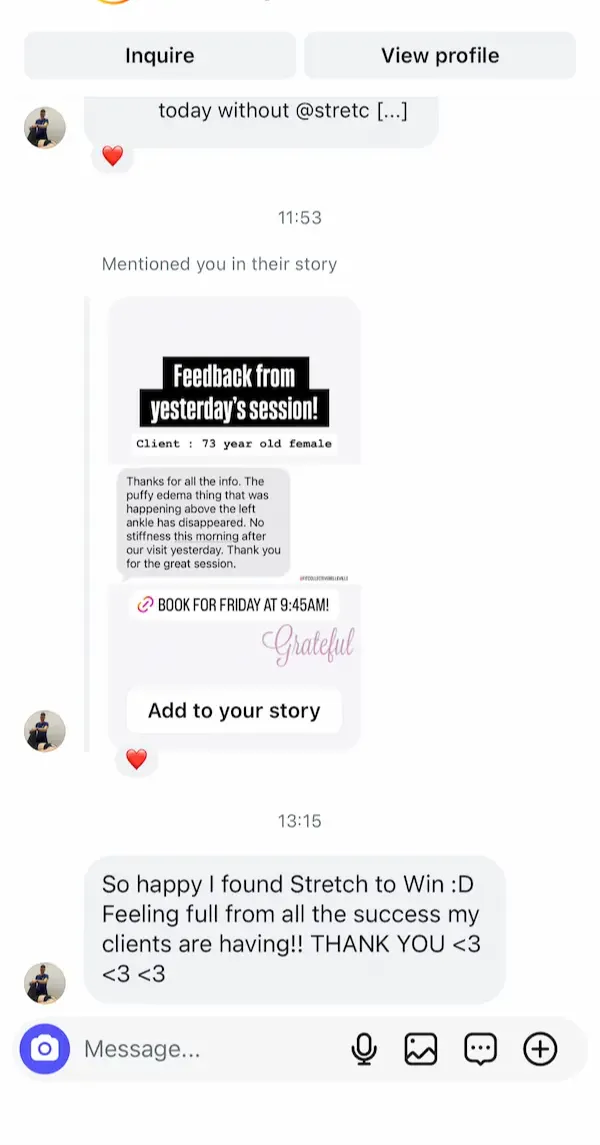
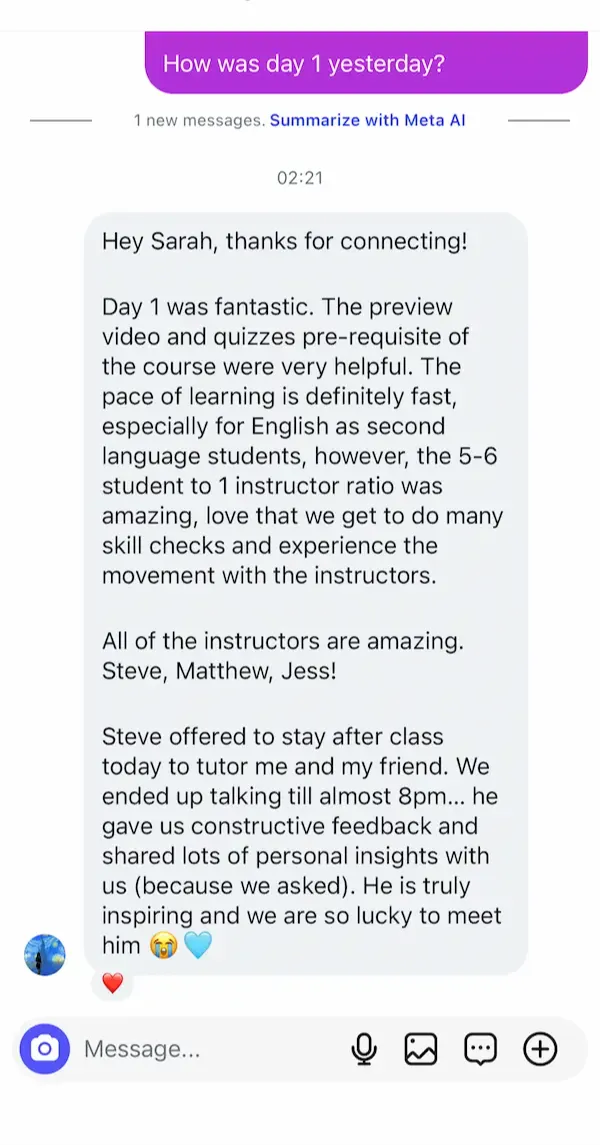
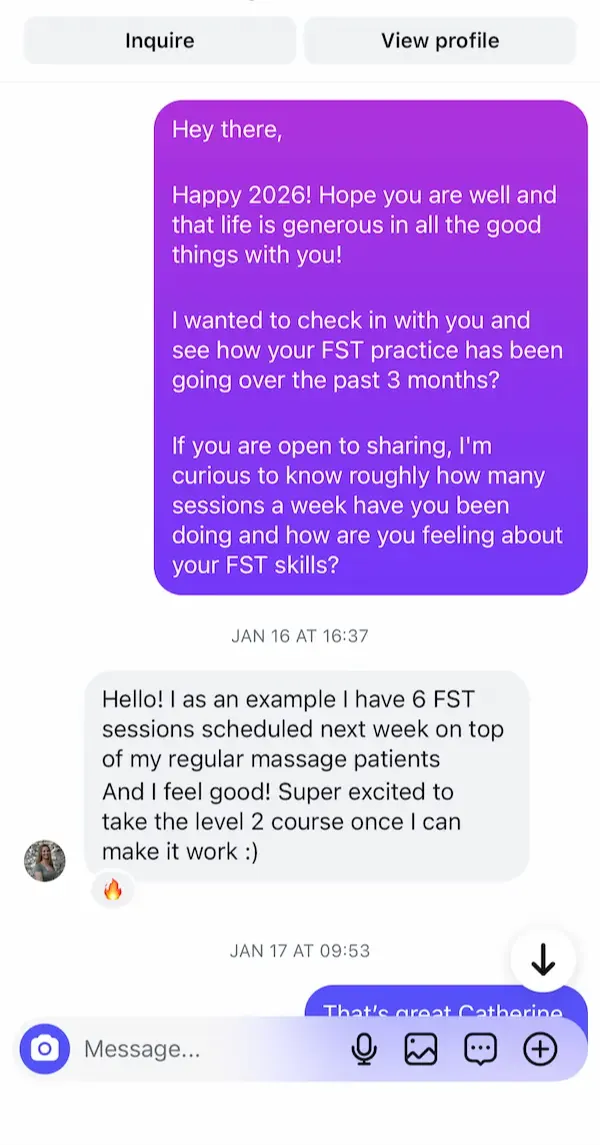
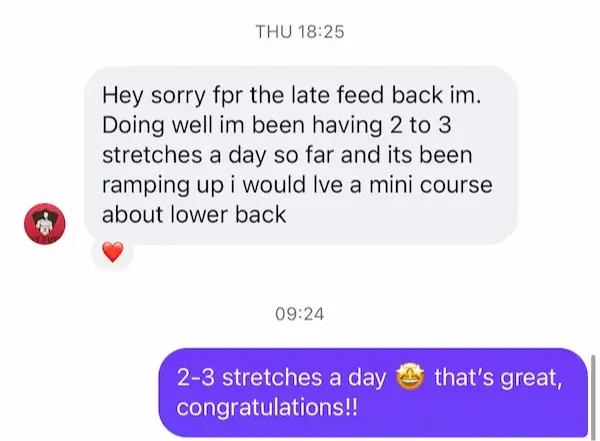
Stretching is a modality within the scope of practice for Registered Massage Therapists. Insurance covers the massage, and you as the RMT decide which modality to use. No extra credentialing is required to offer FST.
Massage, FST, or both. Same slots, same receipts, same billing.
The five days
This is not a weekend introduction to assisted stretching. It is a full week to develop real professional competence. Monday to Thursday runs 9am to 6pm, Friday 9am to 5pm. You are on the table about as often as you are standing beside it.
Pre-course video library. Our founders demonstrating on a skeleton and on real bodies. Finished at least one week out, so you walk in already familiar with the material.
Foundations, table mechanics, lower body sequences and the hip capsule.
Advanced lower body and core, and the fascial lines that connect them.
Upper body, shoulder capsule, neck and arms.
Full body integration, dynamic assessment and treatment.
You give and receive a full 60-minute session, filmed for your own marketing, then a business segment and graduation.
Ongoing support. Post-course video library, online community, webinars, and a check in from our team through the year.
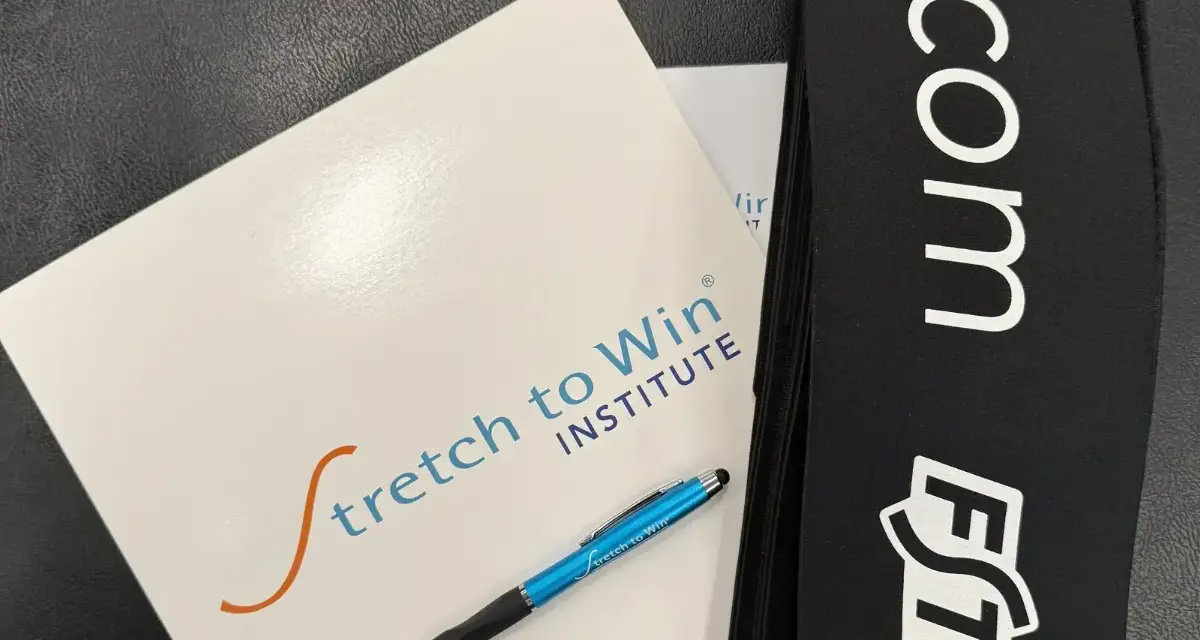
What you leave with
The support does not end at graduation. Graduates keep reaching out years later, and we keep answering.
Course locations
We run Level 1 across the country, west to east. Pick your city and date at checkout.
Burlington is the Toronto area course, 45 minutes from downtown.
On timing
Level 1 runs a handful of times a year across the whole country. Once a city’s date passes, the next one there is usually months out. Therapists write to us asking when we will be back.
Another year of the same work is not a neutral option. It is another year on the same joints.
Your practice today
With FST
The investment
FST Level 1, Canada. The highest ROI training an RMT can take: education that pays for itself, usually inside a season.
Early Bird
$2300+ tax
When you register 30 or more days before your course start date.
or 3 payments of $767 + tax
Standard
$2600+ tax
For any registration inside 30 days of your course start date.
or 3 payments of $867 + tax
Plus applicable taxes.
Pay in full, or split it into three payments over three months. The payment plan is ours, so there is no third-party credit check and no application.
6 months
Complete Level 1, apply the business framework, and if you have not earned your tuition back within six months we refund the difference.
Most graduates charge $100 to $150 per session and recover the cost within three to six months. Which means the tuition is at zero risk: either the work pays for itself, or we make up the difference.
The instructors
Every instructor brings years of hands-on clinical and teaching experience. When you train with us, you learn from practitioners who have spent careers mastering this system.
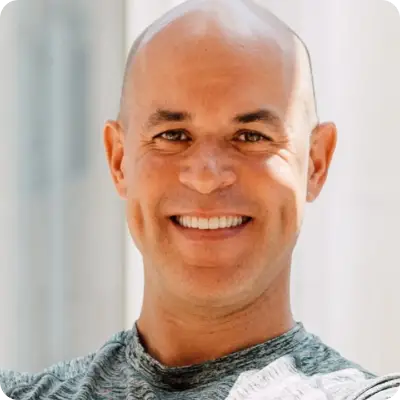
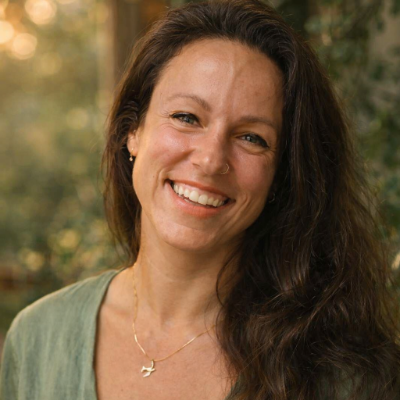
Director & Co-Owner, STWI Canada
Over 25 years in physical conditioning, training everyone from general population clients to professional athletes in major North American sports leagues. 2014 Canadian Fitness Presenter of the Year.
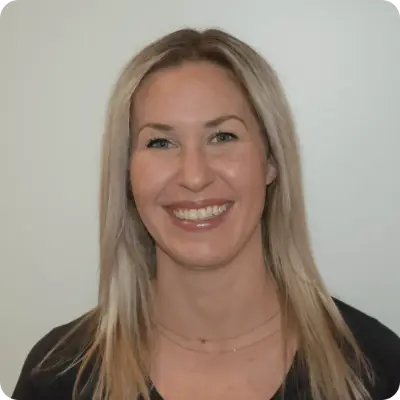
Student Care Coordinator
L2 FST Practitioner, RMT, and growth consultant. Caring for people, building meaningful connections, and supporting practitioners in their professional evolution.
Level 3 Fitness FST Specialist
Personal Trainer for over 10 years in a commercial gym setting, combining FST with her clients since her Level 1 in 2012. Instructor since 2018.

Level 3 Medical FST Specialist
Registered massage therapist, fascial stretch therapist, and movement educator who is not like any other manual therapist.
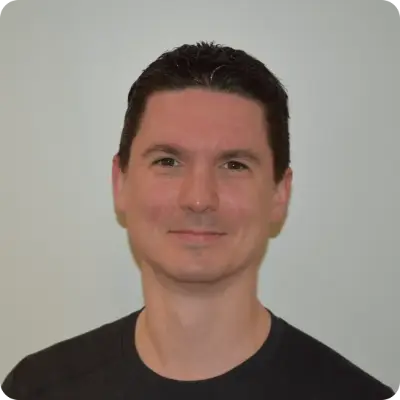
Level 3 Medical FST, M.OMSc, RMT, BASc
Eight years blending kinesiology, fascial stretch therapy, clinical massage therapy and osteopathic manual therapy.
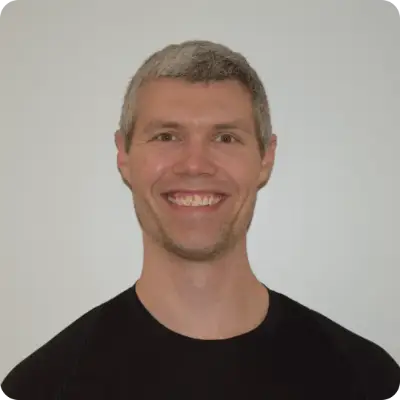
Level 3 Medical FST, RMT, PTS
Registered Massage Therapist since 2001, helping people discover their ability to move more effortlessly and freely. 20+ years experience.
Level 3 Medical FST, CAT(C), RMT, Dr. Ac
More than 20 years of experience in the health and fitness industry.

STWI Canada Administrative Consultant
Institute Administrator for the Canadian Division. Sr. Marketing Director since 2013.
1:6 instructor to student ratio, guaranteed.
Yes, and no extra credentialing is needed. Stretching is a modality within the RMT scope of practice. Insurance covers the massage, and you decide which modality to use.
Stretching techniques fall within the massage therapy scope of practice, and your insurance receipt should identify the service as “Massage Therapy Treatment”, not FST or assisted stretching. Your billing does not change.
Yes. Pay in full, or split your tuition into three payments over three months. The payment plan is ours, so there is no third-party credit check and no application. Register 30 or more days before your course start date and you pay $2300 CAD + tax instead of $2600 + tax.
90 moves, taught over 19 full-body sequences, including full-body FST assessment and treatment protocols. The course covers client communication, session flow, and how to integrate FST into your existing practice. On the final day you give and receive a full 60-minute session. You can book FST the Monday after.
Courses go up to 24 students with 4 instructors, a strict 1:6 ratio. Instructors do not simply watch your hands, they feel them, repeatedly, and you get to feel an instructor's hands too. That is what the ratio is for: teaching personal enough that you leave competent, not just certified.
No prior FST experience is required for Level 1. Massage therapists, personal trainers, kinesiologists, physiotherapists and other body workers all take it. Basic anatomy helps, but it is not a prerequisite.
Monday through Thursday: 9am to 6pm. Friday: 8am to 5pm. Nine hours a day, five days, which is what 90 moves and 19 sequences take.
Traditional stretching isolates individual muscles with static holds. FST uses dynamic, pain-free movement to work with fascia nets and joint capsules, with gentle traction and oscillation rather than forcing muscles. Full-body leverage makes it much easier on the practitioner's body than deep tissue work.
Yes, and it is what makes the tuition zero risk. If you follow our process and do not earn back your tuition within 6 months, we will refund the difference. Most graduates charge $100 to $150 per session and recover their investment within 3 to 6 months.
We run courses across Canada: Vancouver BC, Calgary AB, Edmonton AB, Burlington ON (the Toronto area course, 45 minutes from downtown), Ottawa ON, and Halifax NS. Dates and seat availability live at checkout, so pick your city and date there.
No. You cannot learn where to put your hands on a joint capsule from a screen. Every technique is practiced on a partner, corrected by an instructor, and practiced again.
Fascia Stretch Therapy. It is a specialized assisted stretching system created by the Stretch to Win Institute that focuses on the body's fascia and joint capsules rather than isolating individual muscles.
Last thing
Level 1 runs five days. You leave certified, with 90 moves across 19 sequences and a system you can offer the week you get back.